Showing posts with label The Book Nook. Show all posts

Wednesday, 31 January 2018

The Monthly Ledger: January 2017

Hello!

I hope you're doing well! I've just finished school (I miss it already!) and I can already see the light at the end of the terrifying tunnel of US college admissions! UK and Canada awaits, so I shall stall no longer with this month's reads!


          1. Origin by Dan Brown - finished 28/12/2017

Image result for dan brown originI mean, need I say anything? I've been a long-time lover of Dan Brown and have found no other author that can meld mystery and fact together so skillfully.
Origin begins with Robert going to the tech-prophet Edmond Kirsh's (a genius that can predict the future with statistics and computing - go data science and analytics!) unveiling of a presentation that could potentially destroy religion by presenting solid evidence that could upend the fundamental laws of all world religions. On the day of the presentation, however (perhaps a little bit too predictably) Edmond Kirsh is shot. The story then follows Robert Langdon and Ambra Vidal, who helped organize Kirsh's presentation, as they try to unveil Edmond Kirsh's secret.

Edmond Kirsch is definitely one of my favourite characters from the Dan Brown series. His flair for the dramatic, his combined love for poetry and computing, his open hate derision of religion make him an interesting, varied character. I also liked how Dan Brown didn't completely stereotype him - Edmond Kirch was a tousled hair, sarastic-t-shirt wearing, unassuming genius at college, but is now a fashion-savvy, 'totally hip' man that knows how to ruffle the feathers of the masses (Elon Muskian, in my opinion)

And as always, I loved the references to poems of yore, the description of Guggenheim and other tourist sites, the sheer amount of information about everything, the omnipresent symbols and the intellectual discussions between the main characters, particularly one between Langdon and the priest of Sagrada Familia - the conversation was purely intellectual and academic from both sides, with no fierce emotion clouding rationality - I liked that. 

On the other hand, I felt Dan Brown went overboard with the descriptions that is annoying when all the reader wants is action. Some of the characters, despite being very informed and 'intellectual', seem to forget simple bits of information at crucial times. The plot was also quite predictable: 24-hour treasure hunt set in an exotic location (mostly European/Middle East) as Robert is being hunted by said exotic location's goverment while he runs around, trying to crack the code with an exotic beauty (in this case, Spanish). 

Quite unlike his previous novels, Langdon takes a backseat in terms of knowledge in this book, probably because it has a lot of technology in it. 

Origin maybe isn't Dan Brown's best work, but having been starved of a book for four insufferable years, it was reliving to meet Robert Langdon in another mindblowing thriller again.

           2.  Gone Girl by Gilian Flynn - finished 07/01/2018

Image result for gone girl book
My list of psychopathic books is limited to only two- The Shining, The Girl With The Dragon Tattoo (and the farmhouse part from The Girl who Played with Fire). 

Gone Girl is another addition to my short, I-hope-I-don't-read-this-kind-of-thing-anymore-oh-wait-I-will list of books. When my friends told me this was disturbing, I never imagined the extent to which it would ravage my sanity. Gone Girl was chilling, disturbing, traumatizing and definitely, entertaining. 

The book revolves around Amy and Nick, unhappily married, unhappy because when they met, both of them pretended to be 'cool' to impress each other. It's this effort to impress that leads to an initially happy marriage, and soon, an alleged murder, frame-up, a righteous vendetta, actual murder and an alleged-kidnap-and-murder and a psychotic sociopath that is downright scary.


A quick punctuated list of Gone Girl's highlights:
  1. Amy and Nick - what a clever choice of names to contrast a story so insidious. Just your average Nick and your average Amy. 
  2. The book, like many, intelligently portrays that justice is largely determined by society - there's no 'right' or 'wrong', just 'what does the public think'. Towards the end, when a character is (wrongly) thought to be blameless and another wants to convict (spoiler alert) her, a police officer says it isn't possible, because it's all about 'what the public opinion is' (not verbatim). This malleability of justice is liberating in some cases - it has what made homosexuality, which was previously considered criminal, to be legal. In other cases, this malleability could be exploited by criminals that have actually committed a crime like murder or rape (which have always  been considered a crime in nearly all societies - should even this change in the future, we know we've hit rock-bottom) because public opinion is always driven by emotions and TRP ratings, not the truth. 
  3. The uncannily persuasive narrative writing style. Flynn's writing style literally messed up my sense of judgment - it takes advantage of our prejudices, our lack of knowledge of our lack of knowledge. Insanely clever. 
  4. At a point in the novel, we find out that it was Amy's 'Cool Girl' persona that initially drew Nick to her. It really made me think of personality standards, as I had discussed (ranted?) in the previous post. Amy complains of how men prefer the 'Cool Girl' - young, funny, attractive, easy-to-maintain, light-hearted and undemanding. As though men want an undemanding creature for their entertainment, not recognizing that the creature is an entirely separate being, a woman, who can be grim, demanding, attention-seeking, dramatic, high-maintenence if she goddamn wants to. And for that reason, I understood Amy and her (spoiler alert, sort of) God-like dole out of punishments. 
And with that, I give you January!

Goodbye!

Saturday, 16 September 2017

The Monthly Ledger: September 2017

Perhaps I should make these yearly ledgers.

Hullo, hullo!

How are you? This month, I have been up to my nose in homework and deadlines (interesting etymology - do google it!) but still snatched some time during the travel home, during dinner or borrowed some (very) expensive sleep time to read a few books.

Now, I've got some good news and bad news. The good news is that I will be finishing school in about 2 months, and after that, I will sell my soul to liven this blog. The bad news is that I've got two more months of school, during which I'm probably going to forget that I have a blog. Let's hope that the time I finally go back to regular posts (remember the Friday Posts Oath?), I will still have some soul and spirit.

Anyway, here are some quick comments on two great books I read over the past few months:

1) Love, Aubrey by Suzanne LaFleur

Love, AubreyAn upset me picked up this for need of a book without war and destruction (and it had a goodreads rating of 4.2). It turned out to be a light, poignant read and ended up with me being more upset than when I started it. The writing style was very relaxing, and LaFleur has very intelligently places stylistic elements (like letters, events) so that they struck a definitive, emotional chord within the reader. The part about (spolier alert) a dead sister made me tear up (I've a little sister too, oops), especially because LaFleur skillfully protrayed the purity and innocence of the sisters' relationship. However, it isn't a very fast-paced plot and I would recommend this only to those who are expecting a deeply reflective, slow-paced plot set in the country.


Overall Rating: 3.5/5


2) Women of Iron, by Catherine King

Women of IronNo other feminist book have I read (except for the Memoirs of a Geisha) has portrayed the women in such a blaringly harsh and raw manner. Set in England during the Industrial Revolution, it follows the story of Lissie, an beautiful orphaned bastard of pure, noble blood, who is sold to a conniving trader. A jarring turn of events ends with her rape, betrayal by her love interest and the death of her a father, the only person who truly cared for her. Women of Iron was truthful through and through and despite the happy ending for the protagonist, the emotional growth she undergoes with a series of brutal betrayals and rape makes her deserving of it. The only downside to this book was that some parts of it were unnecessarily long and dragged out, making it rather boring sometimes (and it wasn't worth the valuable sleep-time I had borrowed). I also wouldn't call it an entertaining read, but a book that has to be read purely for the sake of knowing.

Overall: 3.5/5


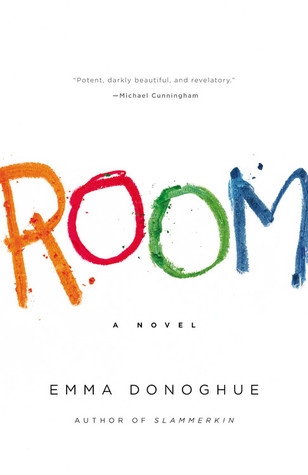
3) Room, by Emma Donoghue


Room
Overall: 4/5


AND A BOOK EXHIBITION!

There happened to be a book sale in my city (!) and I bought books worth a few thousand rupees. I will review these once I work off my sleep debt.


  • Love, Aubrey by Suzanne LaFleur
  • Women of Iron, by Catherine King
  • Princess, by Jean Sasson
  • Room, by Emma Donoghue
  • The Pact, by Jodi Picoult
  • Spirit Walker, by Michelle Paver
  • Gone Girl, by Gillian Flynn (Yes, I haven't read it yet)
Until next time, reader!

Sunday, 8 January 2017

The Monthly Ledger: January 2017

Good day, mate. Though I can't really call it a good day can I? When can one call a good day good? When it's goodness surpasses the conventional amount of goodness or perhaps when its goodness isn't badness? Or when the sun shines? Or maybe when I can make a new hat? Oh, stuff and nonsense. There's no such thing as a good day as a good day can only be called a good day by one that is having a good day and not a bad day. We are all mad here, aren't we? Good thing we're not all hatters though. We can't all handle all the nonsense and stuff and much of a muchness and nonsense all over again.

Oh sweet sweet Hatta. How I wish you weren't mad!

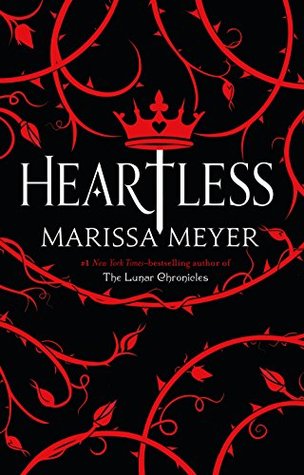
1) Heartless, by Marissa Meyer

Image result for heartless marissa meyer
Jest.

What can I say? This book was heartbreaking and so very believable.

"Long before, Alive fell down the rabbit hole...and before the roses were painted red...the Queen of Hearts was just a girl, in love for the first time"

It follows the story of Lady Catherine Pinkerton of Turtle Rock Cove and her love for baking and love. She has had only one dream ever: to open a bakery (named Sweets and Tarts: The Most Wonderous Bakery in All of Hearts) with her handmaiden and friend, Mary Anne. A sly move by her mother and she's about to be proposed to by the King, a blabbering idiot twice as old as her (I so very despise him. He's the beefy kind I want to roast over a campfire while he giggles) . Enter Jest (groan). Lovely, mysterious, witty and humorous Jest. Jest, who has curly hair, amber eyes, a three pointed hat and a Raven as companion. Cath is now betrothed to the King, in love with Jest but wants a bakery. Meanwhile, a Jabberwock terrorizes her kingdom, Hearts. And with each step, she is only closer to the Murderer, Mad, Martyr and Monarch. 

First off, if I were Arya Stark, this is how my list will look like:
  1. Cath's mother
  2. The blabbering fool, the King of hearts
  3. Cath's mother
  4. Mary Ann
  5. Cath's father
  6. Cath's damn mother
  7. KILL THE MOTHER DAMMIT, THE MOTHER!
I'd pick the Jabberwock over Cath's mother, the Marchioness, any day. She's sly, controlling, selfish and pathetic. Five pages into the book and I hated her and felt very remorseful for Cath - it is very sad to see that the one person who's supposed to love you is pushing you over a cliff. What Cath does to her at the end, was nothing compared to what she deserves. The people of Hearts are mumbling, stammering, ignorant fools too - they cover up Jabberwock attacks with fake smiles and plastic faces and pretend nothing ever happened, that no one was ever killed so that they can go back to their happy, whimsical ignorant lives. BURN THEM ALL, LANNISTER, BURN THEM! *on a side note, autocorrect corrected Lannister to bannister xD if that isn't the funniest thing on earth!*

I love Catherine. She's a very strong woman and though she has her whimsies and dreams, I admired the way she didn't lose her heart so quickly to Jest, unlike the protagonists in other romance novels (in these other books, the female lead is desperately "trying" not to fall for the guy, but then she's says "I can't help it! I can't control my heart! My traitorous heart!). I could see that she made a genuine effort to keep him away too. Very passionate, witty and fiery when the situation calls for it. Another favorite character of mine was the mad Hatta. I remember at one point when he gives Cath a full, genuine smile for the first time and she realizes that he's indeed very handsome. I felt that this was a very cruel technique Meyer used to foreshadow that he was going to go mad! ARGHHHH. Hatta's end was the most cruel and I was near tears and no, he doesn't die. And Jest, Jest, Jest *sigh*. He's utterly perfect. He's so notoriously, irascibly and perfectly flawed. He has a strong character and a thoughtful, humorous personality. And how much I love that Raven of his!

Meyer has impressively crafted Cath's character and by the end of the book, I understood why she'd become the cruel Queen of Hearts, and I forgave her for all that she has done. The contrast between the flour-covered, whimsical, dreamy girl in page one and the cruel, heartless, vengeful woman in page 500 was shocking, but completely understandable. With all the events that had happened in the book, I felt it, I felt cruel, vengeful, heartless, I felt nothing. I think Meyer has beautifully replicated the Victorian era of forbidden love, social class discrimination and ignorant and unsympathetic parents. I think this book is an amazing Meyer-style expansion of the 'crazy, kooky, quirky world' of Lewis Carrol, an impressive backstory of the notorious Queen of Hearts.


Quick Quotes Quill:

“Perhaps we know each other in the future and you’re only remembering backward.” (Jest to Catherine, when Cath says she's seen him before)

“Now mine eyes see the heart that once we did search for, and I fear this heart shall be mended, nevermore.” (Raven, on Cath's heart)

“Impossible is my specialty"

And my favourite:


Off with his head!

Friday, 23 December 2016

The Monthly Ledger: December 2016

Hey there!

As the year draws to a close, I'd definitely conclude that this year, though I read very few books, I read some of the most influential ones. I'm done with my first year in IB and will be starting the second one in January 2017! We've still 9 days to 2017 but I've got the next year jam-packed to the minute! Tons of homework to complete, quality time with family and friends but most importantly, the prodigious International Baccalaureate Exams! These exams will decide whether universities will accept me, whether I will get a worthwhile job and whether my parents will disown me or not! 2017 is going to be a year of collective indecisiveness, hard work, failures, successes and most importantly, a lot of tears.

2016 has been a mixed year of successes and failures. I got my ICE Certificate in March (Distinction!), continuously did bad in Math HL ever since, participated in my first ever MUN conference, participated in HMUN, learned calligraphy, did my own science experiments, wrote an 800-word Audenesque poem, a fashion article set in the 1920s but most importantly, learned a lot.

Well, enough with the talking! Here's a list of a few memorable books I read in this year (I may have missed a few):

1) Unaccustomed Earth - Jhumpa Lahiri

Image result for jhumpa lahiri unaccustomed earth
A decent book. A collection of short stories about Bengali families living in the US and how the immigrants' children grow, not as Bengalis, but Americans. A few stories were good but my favourite was the last one, Hema and Kaushik. My least favourite was 'A Choice of Accomodations' since I didn't quite get the point of it all.

I felt that I could relate to some of the characters in this book. Having moved to India from Singapore, lectures reminding me the importance of culture are not uncommon in my family. I strongly believe in culture and think it is essential to practice one's culture because as a human being, we have an innate need for a unique identity. While I don't mean to insult modernization, I do find it to be slightly generic and dull.

Rating: 3/5


2) The Kite Runner and And The Mountains Echoed - Khaled Hosseini

Image result for the kite runner   Image result for and the mountains echoed

Well what can I say? I am incredibly glad to have read A Thousand Splendid Suns and incredibly glad to have a teacher recommend me this author. Hosseini is an amazing storyteller, needless to say, and his books ravage the reader's very soul. The Kite Runner was immensely heart-wrenching and shocking and written in a very entertaining style. A book that stays with you longer after you finish reading.

However, I felt rather disappointed with 'And the Mountains Echoed'. Though I understand Hosseini was experimenting with a new writing style (it consists of nine chapters, each told from a different perspective), I couldn't connect with the characters personally and I was annoyed with a few. I liked the perspective of Abdullah and wanted to read more about him but it wasn't long before Hosseini shifted to another character's perspective. Hosseini didn't just leap from perspective to perspective but also across generations and time, which left me very confused and exasperated. This book didn't have the natural rhythm to it that Hosseini's previous books had. A book you're glad you finished reading. 

The Kite Runner: 5/5
And The Mountains Echoed: 2/5

3) Memoirs of a Geisha - Arthur Golden

Image result for memoirs of a geisha book
*Accidentally watches the movie for two and a half hours*

And I'm back!

A peaceful book. The kind you realize you've learned so much only after you've finished the book. It's rather gross in some parts, because the protagonist, Chiyo (later renamed Nitta Sayuri) loves a man around 20 years older than her. 

Regardless, it's beautiful. It's culturally very rich, especially considering the fact that this is the first book I've ever read about Japanese culture. A geisha's lifestyle is poignantly portrayed, and I deeply admire the lengths to which a geisha can go to save her reputation, beauty and her danna. From the outside, I felt like geisha were "royalty" of sorts, what with their skill, grace and the money that's bestowed upon them by their customers. However, it's only later in the book that I realized that geisha are not really as gifted as the appear - Mameha says, "We do not become Geisha to pursue our own destinies. We become Geisha because we have no other choice. "

As a reader, I could see Chiyo mature through the pages and her determination to meet the love of her life again is very impressive. Towards the end of the book, Golden shows us a changed geisha district: Americans, having now won the war against Japan, are now strolling through 'sacred' geisha districts, loud and raucous. I would say this part infuriated me the most: I absolutely despised the way Americans disrespected geisha - the begin to ask for sexual favours, something geisha believe is beneath them and is the utter insult to their profession, for a geisha sells her skills, not her body.
I also felt that some parts of the book were rather slow and unnecessary. 

Another favourite line from Mameha: "Remember, Chiyo, geisha are not courtesans. And we are not wives. We sell our skills, not our bodies. We create another secret world, a place only of beauty. The very word "geisha" means artist and to be a geisha is to be judged as a moving work of art."

Rating: 4/5

Well, since I'm rather out of time, I'll be listing all the books for now and updating this post later.
  • The Girl Who Played With Fire, Steig Larsson
  • A Clash of Kings, George R.R. Martin
  • Island of the Blue Dolphins, Scott O'Dell
  • The Silver Star, Jeannette Walls,
  • Persepolis, Marjane Satrapi
  • Harry Potter and the Cursed Child, by J. K. Rowling, Jack Thorne, John Tiffany
  • Stardust, Neil Gaiman
  • Fatherhood, Bill Cosby
  • The Rose and the Dagger, Renee Ahdieh
  • And many more I can't remember!
Goodbye!

Friday, 4 November 2016

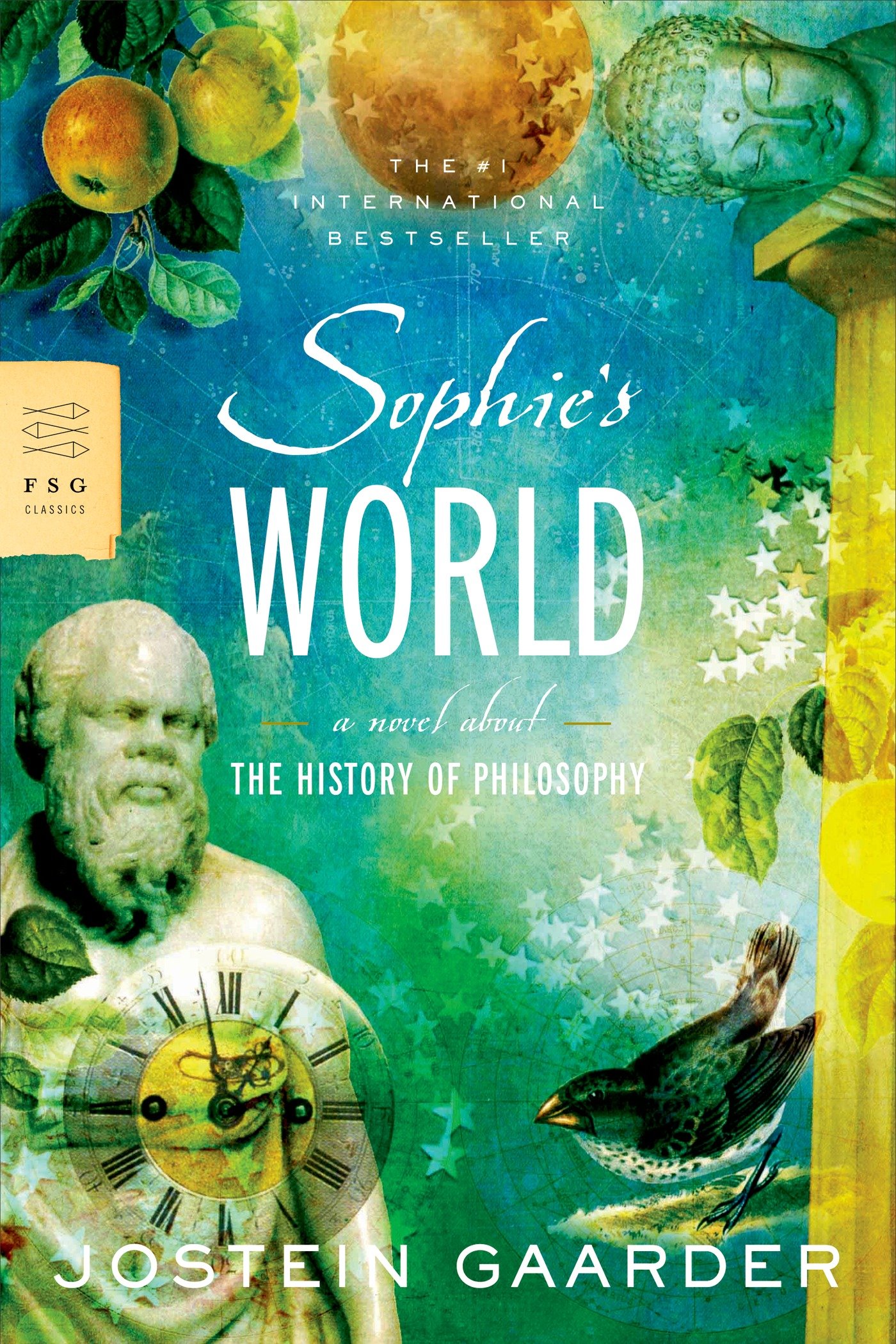
Sophie's World, by Jostein Gaarder

Hello everyone!

I deeply apologize for not having posted something in a very long time. I have been rather preoccupied with IB (for all those who don't know, I am doing the IB program - perhaps I'll post something on that topic later on) but that doesn't mean I've given up on my books! A few books I read these past (frightening) months were Memoirs of a Geisha, A Court of Mist and Fury, The Girl Who Played with Fire, Stardust (Neil Gaiman) and a few more. From now on, I plan on posting a 'Monthly Ledger' of all the 'bibliophilic' events in my life, starting with today! Vamos, let's delve into October!


Presenting....

Sophie's World by Jostein Gaarder

Image result for Sophie's World
This was a book my Theory of Knowledge teacher had suggested way back in the beginning of my IB program. (TOK is a subject focusing on philosophy - and its history - and aims to develop critical thinking skills. In addition, you also develop the art of  - forgive me - 'bullshitting' - through essays. But I personally find TOK an amazing subject to discuss about. It's definitely one of my most favourite IB classes).

I digress, as always.

Moving on, Sophie's World's is a story revolving around 14-year-old Norwegian teenager (on the threshold of 15) Sophie Amundsun, who begins to get mysterious letters from a man. The contents of these letters concern something dynamic and gruesome: the history of philosophy. As the novel progresses, Sophie begins to get letters from her 'philosophy teacher' and eventually meets him: her a philosophy teacher - Alberto Knox - is a middle-aged man with a blue beret and a little apartment of priceless possessions over the ages: from the Dutch philosopher Spinoza's optical glass lenses to the first edition of a book of Descartes' philosophical essays published in 1637, of which the very famous Discourse on Method originally appeared. As Alberto and Sophie advance through the ages, they learn about about everyone from Socrates (the very first Greek 'philosopher' in the world) to Sartre ( a French philosopher, one of the last notable ones of the last century). They learn about dualism, pantheism, existentialism, romanticism, nihilism, neoplatonism, Platonism, feminism, capitalism, communism, socialism, egoism, empiricism, rationalism, Hegelism, idealism, materialism, pluralism, skepticism, stoicism, sophism and together with them, so did I. The more Sophie learns, the more she realizes that her world is....imaginary. No, not in some artistic, rhetorical sense but literally. She and Alberto Knox use the techniques of various philosophers and come to understand that they are the mere figments of the imagination of Major Albert Knag, a Norwegian UN officer fighting on the war-front in Lebanon. They were being toyed around as a surprise for Major Albert Knag's daughter, Hilde's, birthday. Literally. How they escape the clutches of the Major forms the rest of the plot.

Comments:

A good book, but only if you have a lot of time in your hands. Reading it in one week, like I did due to time constraints, is not a very good idea, since this book requires even you to put your thoughts into it. Moreover, I got rather annoyed towards the end of the book because I was engrossed in the mystery of the Major more than the the history of philosophy and I wanted to get it over with as soon as possible. Sometimes, I wish Alberto weren't so mysterious too, what with his ambiguous wording and all-knowing persona.

On the upside, Jostein Gaarder is an amazing storyteller - he explains every major philosophy with such simplicity, without betraying their sheer importance. There are a multitude of examples for each and unlike Wikipedia pages, he narrates philosophy like a story, each philosopher gradually folding into another and another and another and so on.

Quick Quotes Quill:

"The universe is a great mystery"

Concerning Romanticists: "This yearning for something distant and unattainable was characteristic of the Romantics. They longed for bygones eras, such as the Middle Ages, which now became enthusiastically reappraised after the Enlightenment's negative evaluation. And they longed for distant cultures like the Orient with its mysticism. Or else they would feel drawn to Night, to Twilight, to old ruins and the supernatural. They were preoccupied with that we usually refer to as the dark side of life, or the murky, uncanny and mystical."

How similar is this to the teenagers of today! A few notable Romanticists and their work: The Sorrows of the Young Werther by Goethe, 1774; She Walks in Beauty by Lord Byron; Heinrich von Ofterdingen by Novalis, 1801 (unfinished). Most Romantics died young, either due to tuberculosis or suicide, the latter of which was rising in Europe because unrequited love was becoming a popular concept. However, though Romanticism concerned majorly of romantic love, it also concerned the synthesis of philosophy, nature study and poetry. They believed the world and its people are one (world spirit) and that nature is a living, thriving organism. "Sitting in your attic dashing off inspired verses and investigating the life of plants or the composition of rocks were only two sides of the same coin because nature is not a dead mechanism, it is one living world spirit". Perhaps it is because of thoughts like these that most Romanticists either died young or grew up and became anti-Romantic and conservationist. Popular Romantics included Beethoven, Hans Christian Anderson, Brothers Grimm and Schelling.

Two more quotes which I absolutely loved and have truly experienced:

"The fairy tale gave the writer free rein to exploit his "universe-imagination" [universe-creating refers to God]. And even the creative act was not always completely conscious. The writer could experience that his story was being written by some innate force. He could practically be in a hypnotic trance while he wrote". "

[On the breaking of the barrier between the conscious and the subconscious] "All artists are aware of that. But then suddenly it's as if all the doors and all drawers fly open. Everything comes tumbling out by itself, and we can find all the words and images we need. This is when we have"lifted the lid" of the unconscious. We can call it inspiration, Sophie. It feels as if what we are drawing or writing  is coming from some outside source. "

Image result for sophie's world quotes


Image result

Image result
Image result for sophie's world quotes how sad is itImage result


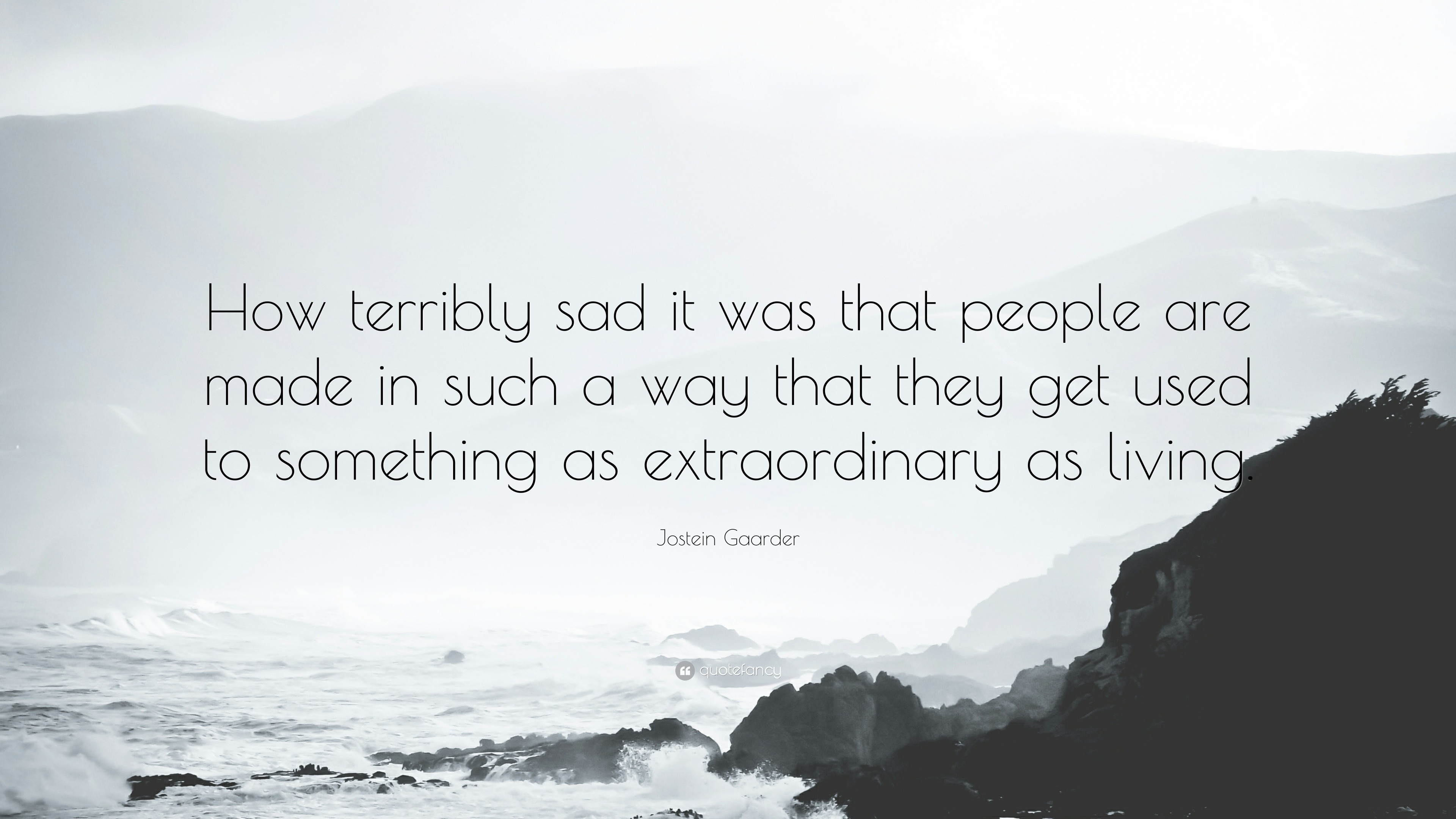
And I'd like to day goodbye with one last thought:


Image result for sophie's world quotes how terribly sad it is that people are made in such a way that get used to something as extraordinary as living

Friday, 10 July 2015

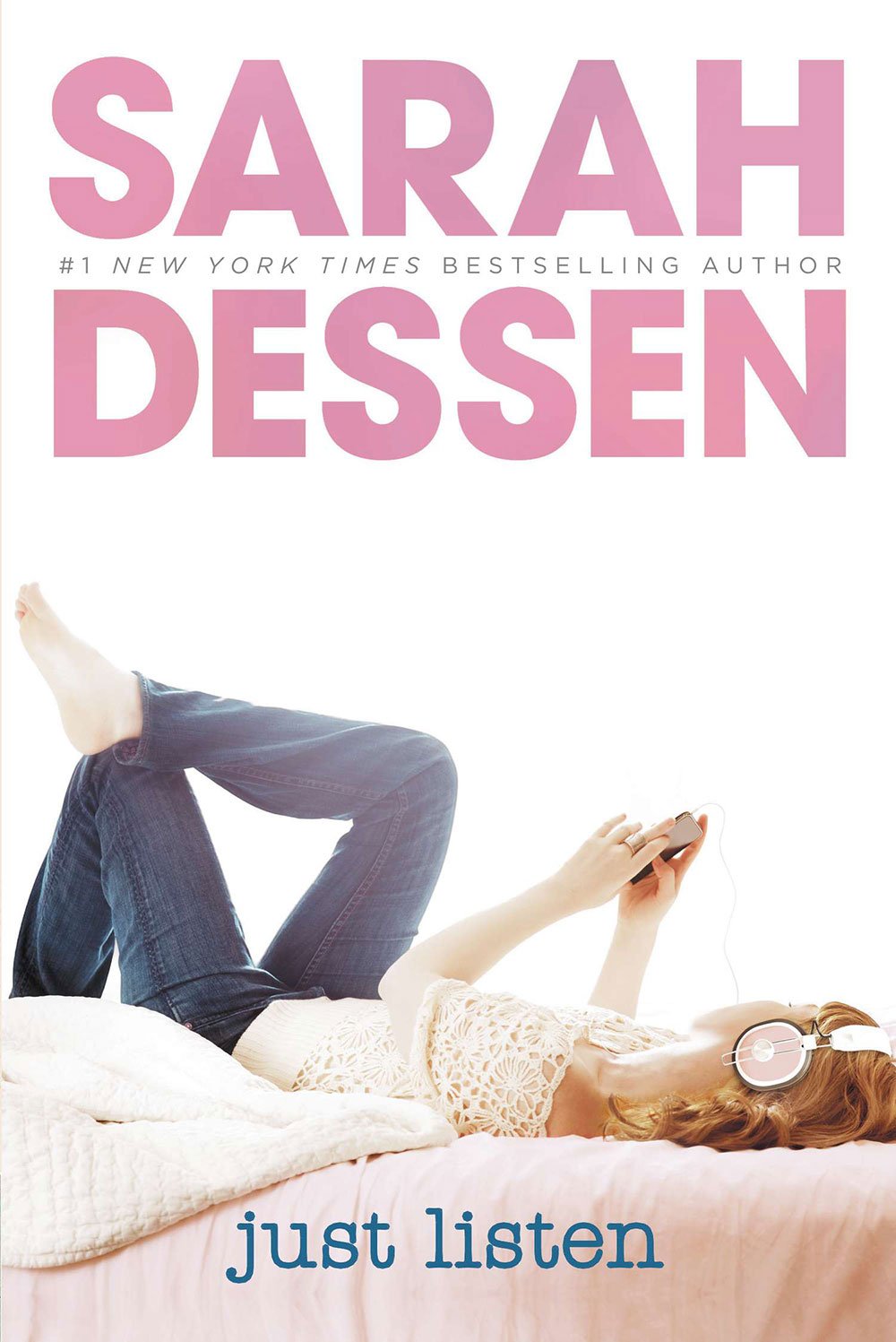
Just Listen, by Sarah Dessen

Yellow guys! A couple of weeks back, I read a book called Just Listen, by Sarah Dessen ( it rhymes, I know!) and I assure you, it is one of those life-changing books. 

The plot circles around Annabel Greene, a 16-year-old model or has everything - model looks, a great social life, a popular best friend, clothes, a house with a glass facade. Or rather had everything. Last summer, she had shunned everyone, and as a new school year starts, she is ostracized by the entire school. Her anorexic sister, Whitney, is sinking the whole family into depression and the not-so-cold war between Whitney and another sister, Kirsten, weakens the fragile bonds between the family. Soon, she meets Owen (while throwing up), an intense, music-obsessed classmate who listens to the bizarre music: Mayan chants, cricket sounds and so much more. Back from Anger Management classes, Owen is determined to tell the truth and introduces Annabel to a new world of music, introducing music as something so powerful that it can being back a million memories as if music is nothing but frozen time. Most importantly, he teaches Annabel to be true - both to herself and the world and to swim upwards from her sea of 'I'm fine' lies. The rest of the plot narrates why Annabel's life is so, and how everything is as not as it seems, that even though glass facades can be beautiful, it mustn't be forgotten that they are fragile too.

My most favourite character in this book was Whitney Greene, for her thoughts and words were very similar to mine, and would be if I were in her shoes. Whitney's the most beautiful of the three Greene sisters, and also the most broken. At one point, when Annabel sees Whitney purging in secret after being force-fed, Whitney's shoulder's are described as being thin, angular and bird-like. However normal the description seemed, comparing Whitney's bony shoulder to a bird did affected me viscerally - creating a hollowness within me that seemed wholly irreparable for I often associate birds with freedom. For these reasons and a million inexpressible more, I connected with Whitney the most.


Tuesday, 19 May 2015

The One You Cannot Have, by Preeti Shenoy

Hey guys! I had disappeared for a while and I know all of you missed me... :D No worries, I’m back! On 18/5/2015, I finished my first book for this summer, Preeti Shenoy's The One You Cannot Have, the story of a great star-crossed love set mainly in Bangalore. The story circles around Aman, Anjali and Shruti - roughly a love triangle. Aman wants Shruti but Anjali wants Aman. Shruti, however, wants Aman too, but is forced to marry Rishabh instead.  That’s essentially the whole story: who ends up with who?

One good thing I enjoyed about this book was Anjali’s indirect characterization, which I thing was done particularly well. The description of Aman and Shruti’s old times was also very admirable and the author connects their seemingly irreconcilable lives together expertly. The quotes was notably articulate!

However, I personally didn't enjoy the story very much. I was even hoping the story would end soon at a few points. John Green's The Fault in Our Stars makes any story of the same genre seem too trivial and easy-on-the-heart in comparison. I also didn't like any of the characters and found the book quite tedious and very similar to Indian cinema. The opinions of the Indian characters don’t seem very contemporary and all the chapters end with the common, general sentence: Will you be able to forget him? At some points, I feel like even the author hasn’t understood her characters very well – the same character seems different at different perspectives.  

Friday, 13 March 2015

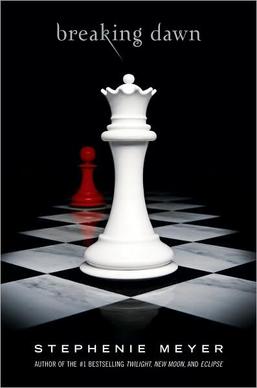
Breaking Dawn by Stephenie Meyer

To tell you the truth, I've hated the Twilight saga ever since the first book, but due to my disorder of being unable to stop reading a series once I've started it, I read the whole series. So on 10/3/2015 (I think!), I FINALLY finished the series and I've got to say, Breaking Dawn is the best book in the series what with Jacob being removed from the irksome and perpetual love triangle annoyingly replayed a million times in the first three. Below is a synopsis of the whole series and if you're one of those people who's just so fainéant (HA! Search the meaning for that!) please feel free to skip it.

Bella has just arrived to Forks from Phoenix and desperately trying to isolate herself from a sudden group of people who she seems to have attracted. Everyone seems to be her friend except...her biology partner, the guy who's eyes change colour everyday, has pearly white skin, is as cold as marble and as hard as one too, moves like a fawn, talks like he's singing in a musical - basically, someone right out of a fairytale. Who is Edward? Or rather, what is Edward?

After discovering that Edward is just another 107-year old vamp in Twilight, Edward soon leaves Bella due to certain complications and the peril Bella would face because of him. SO the whole of 'New Moon' is driven by Edward coming back. THEN, in Eclipse, Edward and his family (the Olympic coven) and Bella are attacked by new-born vampires (ones who were just tuned to vampires and cannot control themselves from the scent of human blood) and the whole plot is driven by the saving of Bella's life.

FINALLY, in Breaking Dawn, Bella's turned into vampire (she constantly wants to become a vamp throughout the series and she's also forced to become one by the Volturi (the vamp government that rules all the vamps in the world)), much against Edward's wishes who tries to convince her to spend some more time as a human. In a VERY startling turn of events, they beget Renesmee who seems to be against the norms of a vampire and the the plot is driven by this. However, I'd say that the ending was too lame: if the rising action was that there was no cake at someone's party, the resolution would be that someone went to the nearest store and buy some. THAT lame. I guess there were some positives though: Bella's a bit more mature as she finally understands a lot about Edward's life and she finally starts fighting.

Quick Quotes Quill:
    “Did you know that 'I told you so' has a brother,Jacob?" she asked cutting me off. "His name is 'Shut the hell up'.” 

     “Hey, Rosalie? Do you know how to drown a blonde? Stick a mirror to the bottom of a pool.” 


Saturday, 28 February 2015

SPEAK by Laurie Halse Anderson

Recently, I read Laurie Halse Anderson's SPEAK, a depressing story about a girl named Melinda Sordino. The first day at Merryweather High and she was being ostracized altogether by all the social cliques for calling the cops during a senior party that summer. Melinda refuses to speak to anyone and unknowingly expresses her feelings in art. The rest of the story circles on the reason she called the cops and her struggle of trying to overcome her trauma. The book is very funny at a few points and ridicules the absurdities of high school, social cliques and drama.

Quick Quotes Quill:
“It's easier not to say anything. Shut your trap, button your lip, can it. All that crap you hear on TV about communication and expressing feelings is a lie. Nobody really wants to hear what you have to say.”

“When people don't express themselves, they die one piece at a time. You'd be shocked at how many adults are really dead inside—walking through their days with no idea who they are, just waiting for a heart attack or cancer or a Mack truck to come along and finish the job. It's the saddest thing I know.” 

Pedestal Points:
- Many sentences in this book are no more than 5 words and are kept very very short. This beautifully emphasizes the fact that Melinda refuses to speak.


The Book Nook

Hey!
Are you a bibliophile looking for a variety of books to read? So am I! Henceforth, after every book I read, I'll be posting a summary/comment on it in a few lines. So be sure to read posts under the label 'The Book Nook' (labels on the right of the page) if you treasure books as much as I do!

                                            
-Nivetha

Friday, 7 November 2014

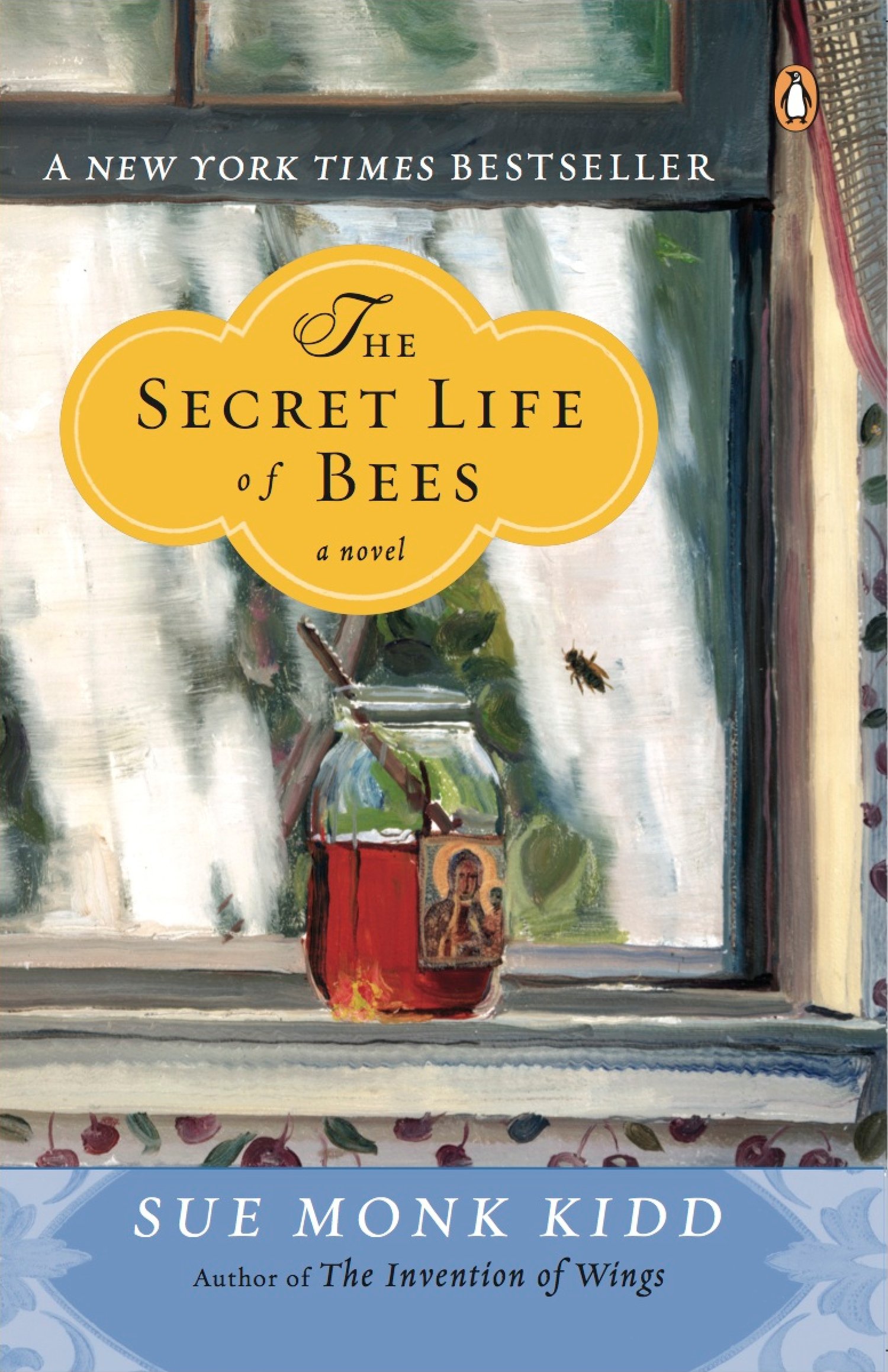
The Secret Life of Bees

It is always said that a good book stays in your heart long after you’ve turned the pages, and ones like these come in very rare. I was very fortunate enough though, to stumble upon ‘The Secret Life of Bees’ by Sue Monk Kidd ‘one fine day’, even if it could be called a typical day. The Secret Life of Bees is a heart-touching book about racism, inequality, imperfection, female power and above all, the need for love for all living things, even a bee.

It’s the summer of 1964, the time when 14-year-old Lily Owens’s life is about to spin into a whole orbit. Lily’s life is shaped around the fuzzy memory of the afternoon her mother was killed, presumably by Lily herself. Everything changes when her black stand-in-mother, Rosaleen, pours snuff juice on the three deepest racial discriminators in Sylvan and Rosaleen is jailed. Hesitant at first, then desperate to free Rosaleen and herself from the clutches of a brutal and unfeeling father who makes her kneel on grits, Lily takes off, breaking Rosaleen out of jail, to Tiburon, S.C., the destination on the back of a picture of black Mary’s belonging to her mother. Fate leads her to an electric pink house with an equally eccentric trio of the black beekeeping sisters: August, May and June Boatwright. She is introduced to the breathtaking world of beekeeping, honey and Our Lady of Chains. She falls for the hum of bees, the gold of honey, the feel of the beekeeping veil, and most of all, the care she receives, especially having been starving for it her whole life. But will the honey last? Will she have to kneel on grits again? Will racism ever end?

The first thing that attracted me towards the book was its title. It was very funny - who would write a whole fictional book about the secret life of bees? Wouldn’t it be boring? Sue Monk can. Secondly, the description Sue gives of the bees’ and Lily’s lives are astonishing – the metaphors she uses, especially. She captures the perception of an adolescent wonderfully, the way Lily can be both mature and immature. She words the pain, pathos and self-doubt Lily has with excellent clarity too. My most favourite element of the book was the folklore that was used and how metaphorical it was to life, not to mention the quotes, my favourite being, “The hardest thing on earth is choosing what matters,” by August Boatwright. The book talks about divine female spirituality and their dignity and how we must find Our Lady of Chains in ourselves and not only in her statue.

On the contrary, there might’ve been downsides to the book. Firstly, the book dragged during Lily’s stay in the Boatwright sisters’ house and I found the main conflicts not very substantial. Sue Monk could’ve clearly distinguished the rising action and climax too. I also thought the ending was quite abrupt and formulaic. Throughout the book, it doesn’t take a wizard to find what happens next and the deposition is quite conventional.


Monday, 11 August 2014

A Thousand Splendid Suns

‘One could not count the moons that shimmer on her roofs
And the thousand splendid suns that hide behind her walls"
                                                                          - Saib Tabrizi

Now, doesn’t that verse sound good? It is by Saib Tabrizi, an Afghan, describing the beautiful and enduring city of Kabul, Afghanistan. Other than writing a poem about his hometown, Saib may have also suggested an idea on how to name a book to Khaled Hosseini who wrote the ‘Book of the Year Award for Adult Fiction’ winner, A Thousand Splendid Suns.

The tale is of two cities: Herat and Kabul and two Afghan women, Mariam and Laila. At the beginning, we are dropped into the world of Mariam, a young girl living alone in a kolba in the outskirts of the splendid city of Herat (where she is forbidden to visit) with her unmarried mother. She is denied the simplest pleasures of life and is brought up by her epileptic mother who repeatedly reminds her, ““Learn this now and learn it well. Like a compass facing north, a man’s accusing finger always finds a woman. Always. You remember that, Mariam.” The sole reason for her to live is for her weekly visits from her insincere, charming father who runs Herat's cinema, and whose real family she longs to join. It is on her 15th birthday when her pre-ordained story is to be rewritten forever in the hands of the Koran and God. However, Hosseini isn’t the one to be stagnant on the same situation forever; before many pages have been turned Mariam's mother has died, and her unfeeling father has married her off to a 43-year-old acquiantance from Kabul.

Almost a generation later, we switch from Mariam's life to that of a neighbour, the young Laila, who is growing up in a liberal family with a father who believes in her education. She isn’t bound to the rules of her religion and we suddenly see Mariam from the outside: a silent, burqa-clad woman, always in tow of her husband Rasheed: a quiet couple. In a turn of pages, Laila is orphaned and ends up as Rasheed’s second wife. The 3rd part tells the story of how Laila’s child, Aziza, brings the two women together and of how their antagonistic relationship is turned into a relationship as strong as the ties between a mother and daughter. It tells of the sudden change of everyday activities of common people under the Taliban rule. Kabul is suddenly changed from a safe haven to the place where death awaits with his arms open. All people can see everywhere is brutality, starvation, injustice, and above all, inequality.

My most favourite writing style of the book was parts where Khaled took a completely different 3rd person’s point of view, representing Destiny. For example, when Mariam is signing a paper in her nikkah ‘under the watchful gaze of the mullah’, Khaled says, ‘The next time Mariam signed her name to a document, twenty-seven years later, a mullah would be present again.” It is later revealed that the document to be sign twenty-seven years later would be Mariam’s executioning paper.

Another astounding thing is the way Khaled intertwines both history and family together.
He portrays the suffering of women under the Taliban quite brutally, but he doesn’t mill over the sentiments. He goes on with the narrative, allowing the reader to form an opinion on his own. He draws Mariam and Laila and brings them to life, writing about how simple everyday activities, such as watching TV, were influenced by the Taliban.  The book displays the shackles of religion that bind Afghan women and forbid them from enjoying the simplest pleasures of life of dancing and singing.

At first, it seems like Mariam and Laila are completely different characters: their lives were completely contradictory - Mariam has always been tied back while Laila was always set free. It is amazing how Khaled tightly interweaves their lives together. Also, their difference in their lifestyles reflects on their attitudes towards Rasheed and every one of their daily activities. Mariam had one of those typical, religious-bound, obeying attitudes while Laila had a rebellious, Malala-like attitude.

On the whole, Hosseini had written a touching, heartfelt book, finally letting it out to the world how cruel Afghanistan had been under the Taliban, how, like the needle in a compass turning north, a man’s accusing finger turns to find a woman and  how Afghan every women had to learn to tahamal, endure.